
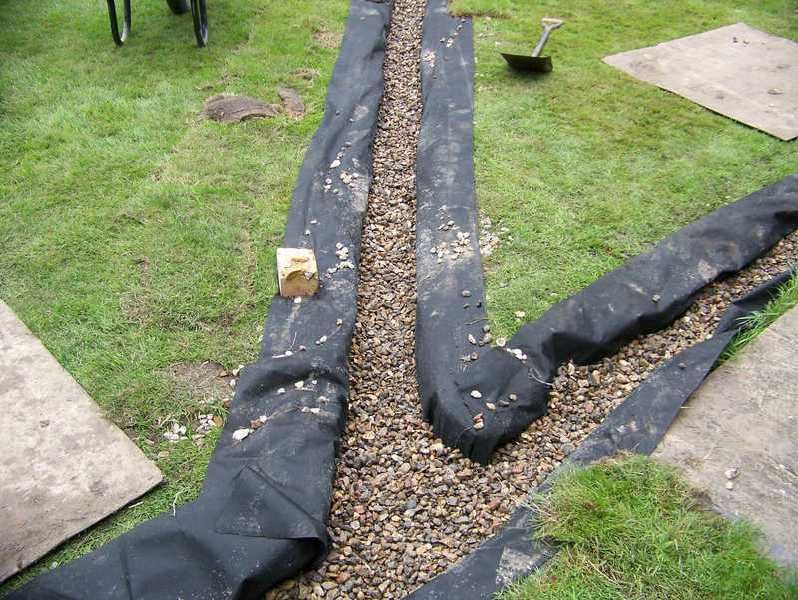
What is Land Drainage
Land drainage refers to systems designed to remove excess water from land, preventing waterlogging and promoting healthier soil conditions.
This can involve various techniques like perforated pipes, gravel trenches, or geotextile-wrapped channels. It’s commonly used in agriculture, construction, and even residential gardens to manage surface water and improve soil quality.
Land drain, often known as French Drain, is the name given to flexible coiled pipes which are laid underground to alleviate excess surface water. They are corrugated and can typically flex 90 degrees per 1m, and come in either perforated or unperforated coils,
Land drainage in Northern Ireland is a complex area of responsibility, basically a landowner is responsible for the drainage of their own land.
By law a person owning lower-level land has to accept natural land drainage (that is, ground water or surface water run-off, spring water) from adjacent land at a higher level.
However it is essential that property water drainage is carried out in a reasonable manner that does not harm or inconvenience neighbouring properties.
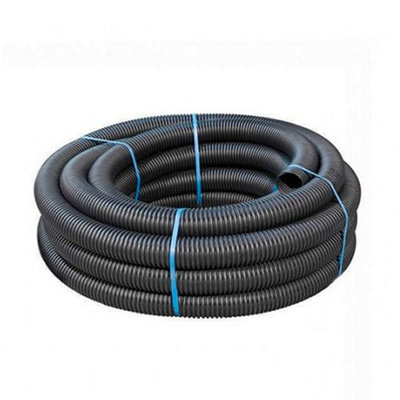

Site works
Building site services encompass the essential systems and utilities required to make a construction site functional, safe and efficient at all stages of its development.
These services include both temporary and permanent provisions for the pre-construction the construction and the permanent phases of the building.
Pre-construction site services
Clearing a site to provide a hard standing and roadway in are the 1st tasks to be completed when opening up a site,.
Temporary site services
The siting of a site caravan/office/store on site along with the requirements for water, electricity and sewage all must be on site to ensure a safe and efficient work place .
Permanent site services.
The permanent supply of water, electricity, all site drains from the new property roof surface water drainage all must be routed to agreed soakaway or run off point. Sewage system to be installed arounf new property with inspection chambers as per building regulations. Sewage must be piped to either water service sewage system or to an agreed septic or wastewater treatment plant. Paths driveways and landscaping to complete the property.